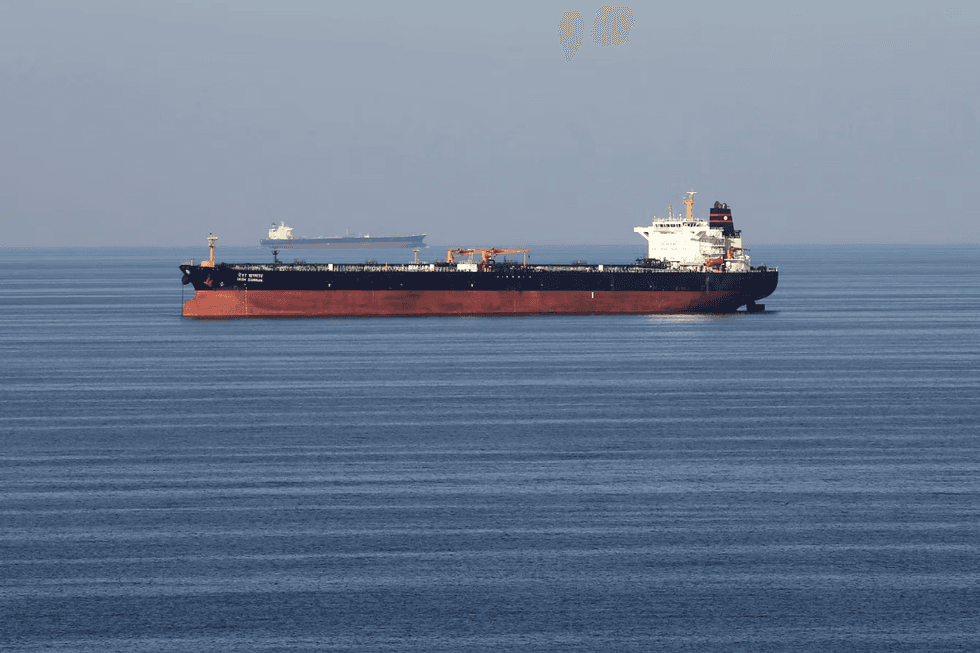
A small number of oil and gas tankers crossed the Strait of Hormuz on Saturday during a short-lived reopening, but traffic quickly faltered as Iran reinstated tight controls and reports emerged of attacks on vessels.
Tracking data from shipping analytics firms showed that at least eight tankers transited the strait early in the day after Tehran signaled a temporary reopening on Friday.
However, other vessels approaching the narrow passage turned back near Larak Island, a key checkpoint under Iranian oversight for ships exiting the Gulf.
Four container ships linked to French shipping giant CMA CGM also reversed course mid-transit, highlighting continued uncertainty for commercial operators.
Reports of attacks raise alarm
The United Kingdom Maritime Trade Operations said Iranian Revolutionary Guard gunboats fired on a tanker northeast of Oman, though the vessel and crew were reported safe.
In a separate incident, the agency said a container ship in the same area was struck by an unidentified projectile, causing damage but no fire.
The incidents underscore persistent risks in one of the world’s most critical shipping lanes, through which roughly a fifth of global oil and liquefied natural gas supplies pass in normal times.
Iran reverses reopening
Iran had pledged to allow commercial traffic through the strait during a ceasefire linked to the broader Middle East conflict. But its military command said Saturday it would resume “strict management” of the waterway, citing an ongoing U.S. naval counter-blockade.
The renewed restrictions have left hundreds of vessels stranded in the Gulf and contributed to rising energy prices and shipping costs, as operators steer clear of the المنطقة.
Some ships that did pass included vessels listed under U.S. sanctions, according to tracking data.
Passenger vessels resume movement
A cruise ship, the Celestyal Discovery, became the first passenger vessel to transit the strait since the conflict began, sailing close to Oman’s coast after weeks docked in the United Arab Emirates.
Tracking data indicated it was traveling without passengers. At least two other passenger ships were also observed crossing near Oman on Saturday.
Shipping industry cautious
Despite the brief reopening, industry groups warned of unresolved dangers.
The Baltic and International Maritime Council said the threat of naval mines and other hazards remains unclear, advising companies to consider avoiding the area.
Analysts estimate that more than 100 million barrels of crude oil are currently stored aboard ships in the Gulf. Even if the strait fully reopens, it could take days for shipments to transit and weeks for supplies to reach major markets in Asia.
Leave a Reply