The United Nations has criticized the Taliban government’s new decree on marriage separation in Afghanistan, saying it “reinforces systemic discrimination” and erodes the rights of Afghan women and girls.
The 31-article code, published in mid-May in the country’s Official Gazette after approval by Supreme Leader Hibatullah Akhundzada, sets out grounds for separation and governs marriage contracts.
In most cases, the procedures for women seeking separation are more complicated than those for men.
What does the Taliban’s new marriage separation decree say?
The decree, titled “Principles of Separation Between Spouses,” sets out grounds for separation including a husband’s prolonged disappearance, “incompatibility” between couples, renunciation of Islam, and “failure on the part of the husband.”
It also states that marriage contracts drawn by relatives “on behalf of a minor boy or girl” can be annulled, which the UN says suggests child marriage is permitted.
The decree does not apply equal procedures to women and men seeking separation.
Why has the UN criticized the Taliban’s marriage decree?
Georgette Gagnon, deputy special representative of the UN secretary-general, said the decree “is part of a broader and deeply concerning trajectory in which the rights of Afghan women and girls are being eroded.”
The UN statement said it “further entrenches systemic discrimination in law and practice,” adding that women and girls are denied “autonomy, opportunities and access to justice.”
The UN’s Afghanistan mission, UNAMA, noted that following a 2021 decree in which the Taliban had recognized certain rights for women, including consent to marriage, subsequent legislation has steadily eroded those protections.
How has the Taliban restricted women’s rights since returning to power?
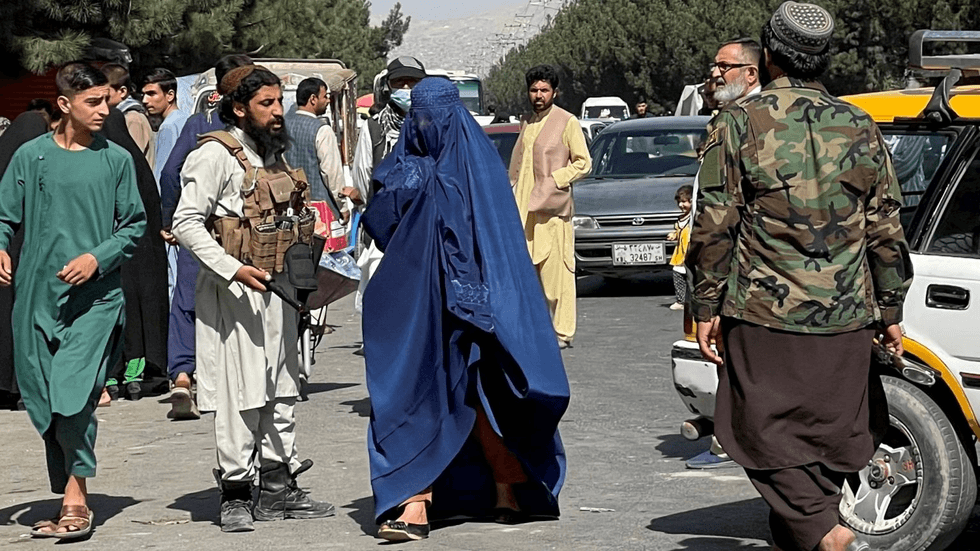
Since returning to power in 2021, the Taliban has banned girls from continuing education beyond primary school, walking in parks, and accessing gyms, swimming pools, or beauty salons.
Women are required to cover themselves from head to toe and are barred from many jobs. Any breach of the rules can result in arrest and imprisonment.
Leave a Reply