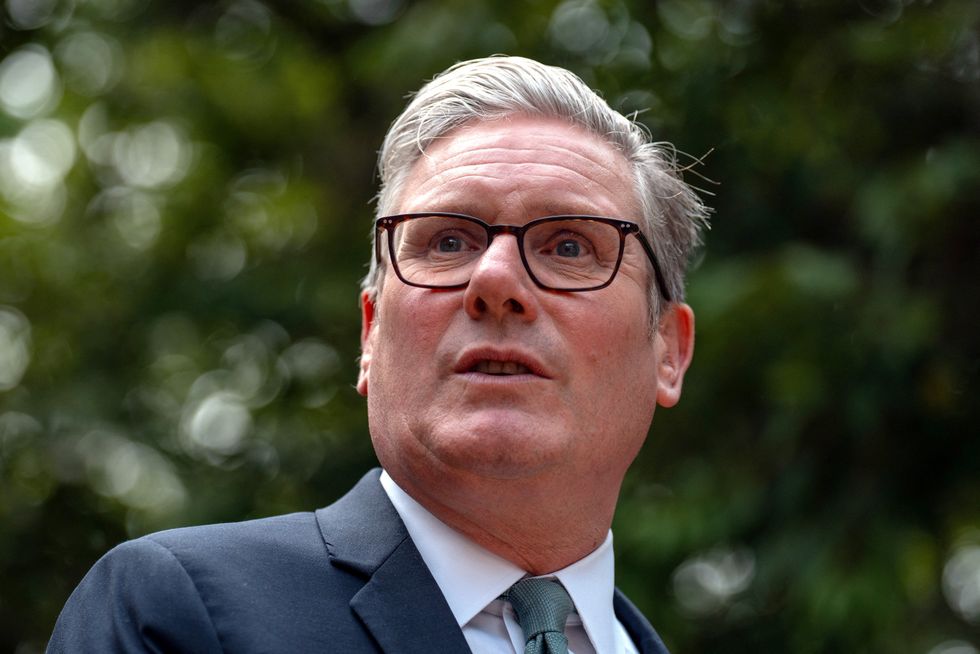
Calls for British Prime Minister Keir Starmer to resign mounted on Monday after his ruling Labour party was crushed in local and regional elections.
More than 70 of Labour’s 403 MPs have asked him to step down, unconvinced by his pledge to make the party bolder. Four government aides have resigned in a sign of the growing pressure on his leadership.
Why are Labour MPs calling for Keir Starmer to resign?
Labour MPs are calling for Starmer to resign after voters delivered a damning verdict on his 22 months in power in local and regional elections. The vote saw huge gains for the hard-right Reform UK party and the left-wing Greens at Labour’s expense. Starmer pledged to prove his doubters wrong, but failed to convince enough MPs to end the crisis.
How many Labour MPs want Starmer to go?
More than 70 Labour MPs have publicly backed calls for Starmer’s removal, though that number still falls short of the threshold needed to force a leadership contest. Under party rules, any challenger would need the support of 81 MPs, representing 20 percent of the parliamentary party, to trigger a vote. MP Catherine West, who had threatened to trigger a challenge on Monday, said she was instead collecting names of MPs who want Starmer to set a timetable for a new leadership election in September.
Among those calling on Starmer to quit are four government aides who resigned. According to British media, foreign minister Yvette Cooper and interior minister Shabana Mahmood told Starmer he should oversee an orderly transition of power. Joe Morris, a parliamentary private secretary to Health Secretary Wes Streeting, wrote on X that it was “now clear that the prime minister no longer has the trust or confidence of the public to lead this change.”
What did the resigning aides say about Starmer’s leadership?
Tom Rutland, an aide to Environment Secretary Emma Reynolds, said Starmer had “lost authority” among Labour MPs and “will not be able to regain it.”
Melanie Ward, an assistant to Deputy Prime Minister David Lammy, called for new leadership, saying the election results showed the prime minister had lost the public’s confidence. Cabinet Office aide Naushabah Khan added that she was calling for “new leadership so that we can rebuild trust and deliver the better future that the British people voted for.”
What did Starmer say in his response to calls to resign?
In a crunch speech on Monday, Starmer acknowledged the public’s frustration with the state of the country, politics and his leadership. “I know I have my doubters, and I know I need to prove them wrong, and I will,” he said. He promised “a bigger response” rather than “incremental change” in areas including economic growth, closer European ties and energy.
Starmer pledged to fully nationalise British Steel and, in his strongest condemnation since Britain’s departure from the European Union in 2020, said Brexit had left the UK poorer, weaker and less secure.
He also warned Labour would “never be forgiven” by voters if it imitated the “chaos” of the previous Conservative government, which went through five prime ministers since 2010, including three in just four months in 2022. He pledged to fight any leadership challenge.
What caused Labour’s collapse in the local elections?
Starmer, 63, came to power in July 2024 after a landslide election win that ended 14 years of Conservative rule. Since then, he has moved from one policy misstep to another and became caught up in a scandal over the appointment and subsequent sacking of Peter Mandelson as UK ambassador to Washington, following revelations about the envoy’s ties to sex offender Jeffrey Epstein.
He has not yet delivered economic growth to help Britons struggling with the cost of living.
Last week’s elections also saw Labour lose control of the devolved Welsh parliament to nationalists Plaid Cymru for the first time since it was established in 1999. Labour also failed to make gains against the Scottish National Party at the Scottish Parliament. The results hardened doubts among MPs about whether Starmer could lead the party into the next general election.
Who could replace Starmer as Labour leader?
Health Secretary Wes Streeting and former deputy prime minister Angela Rayner have long been rumored as potential challengers to Starmer. Neither, however, is universally popular within Labour.
Starmer has so far refused to set a departure timetable, leaving the party in an uneasy standoff between those pushing for an immediate change and those willing to give him more time.
Leave a Reply