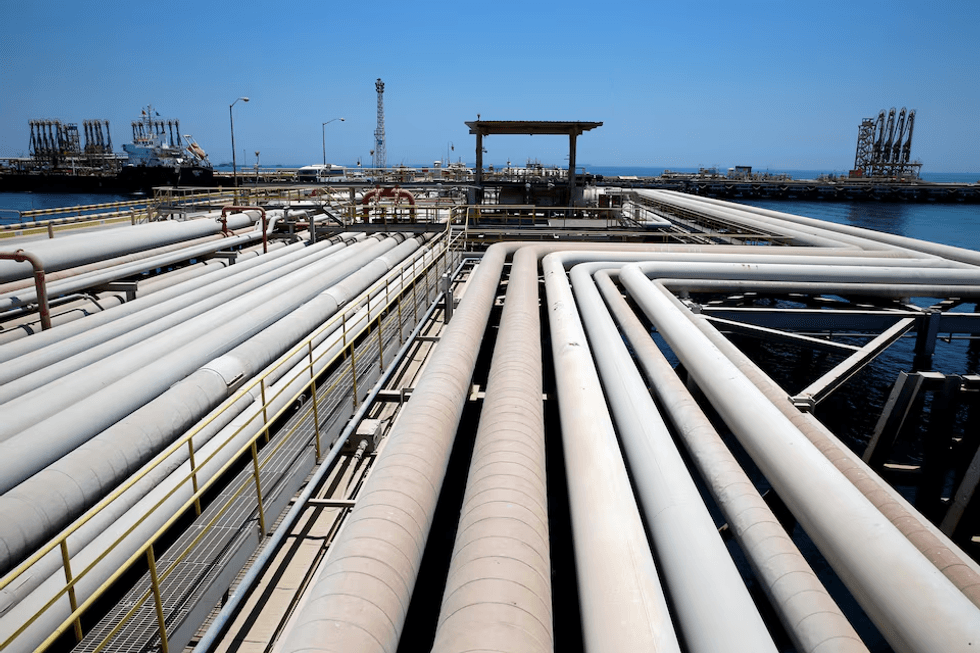
The government has unveiled a plan to shift Pakistan’s oil supply system from road transport to pipelines, a move aimed at lowering transportation costs and easing pressure on consumers, Petroleum Minister Ali Pervaiz Malik said on Wednesday.
Speaking at an informal briefing, Malik said fuel smuggling costs Pakistan an estimated PKR 300 billion ($1.1 billion) annually, underlining the need for structural reforms in the petroleum sector.
He said the government had already reduced the flow of circular debt in the gas sector to zero and had formed a high-level committee, chaired by the deputy prime minister, to address the remaining stock of gas circular debt.
Outstanding gas circular debt, excluding late payment surcharges, stands at around 1.5 trillion rupees, Malik said, adding that most of the liabilities are owed to three state-owned oil and gas exploration and production companies.
As part of the broader reform drive, Malik said Pakistan would gradually replace road-based fuel transport with pipelines. Currently, all diesel supplies and about 60% of petrol nationwide are delivered by road, according to the Petroleum Division.
Under the first phase of the plan, a pipeline will be constructed between Faisalabad and Tahlian, he said.
Malik said the government had also begun work on a tracking system to curb illegal fuel supply chains and smuggling, while reforms already implemented had helped stabilize gas prices.
“Fuel that has already been consumed, whether by the government or consumers, must be paid for,” he said.
To resolve payment disputes involving the three state-owned firms, a separate high-powered committee has been formed, while efforts are underway to attract new investment and address long-standing issues faced by oil marketing companies (OMCs).
Malik said OMCs have unresolved tax-related issues with the Federal Board of Revenue, adding that several meetings have been held with the finance ministry and progress was expected within seven to 10 days.
He also announced plans to introduce a new policy for the liquefied petroleum gas (LPG) sector, which is currently deregulated despite continued price controls.
Commenting on mining, Malik said long-term policy consistency was critical for projects such as Reko Diq, raising questions over delays in translating commitments into actual investment.
Leave a Reply