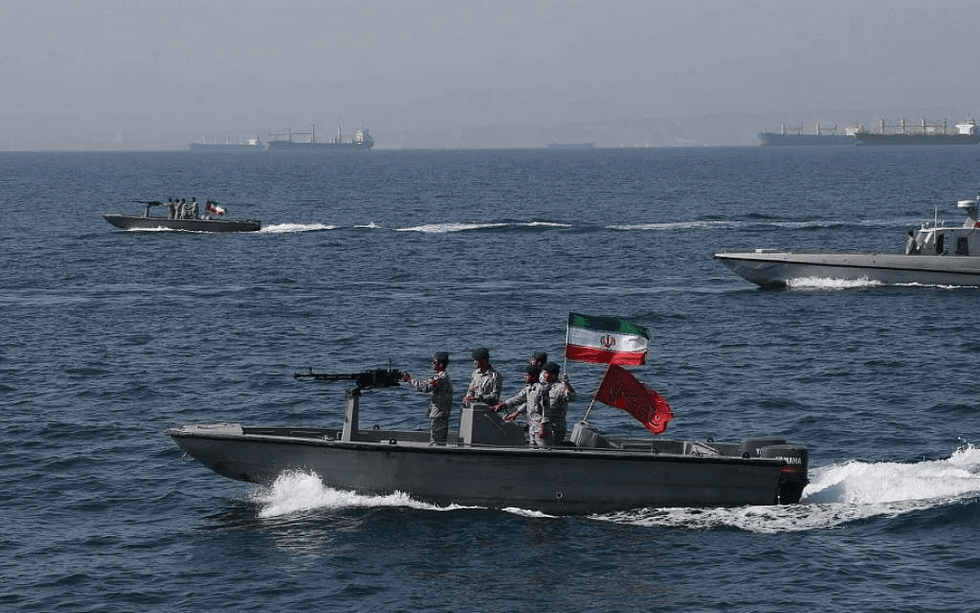
An adviser to Iran’s supreme leader compared control over the Strait of Hormuz to possessing an “atomic bomb” on Friday, and vowed Iran would not give it up. Mohammad Mokhber said Tehran had long underestimated its position along the strait, a critical channel for global oil and gas shipments. Iran shut the waterway early in the Middle East war, disrupting markets and stranding hundreds of vessels.
What did Iran’s adviser say about the Strait of Hormuz?
Mokhber said the Strait of Hormuz gave Iran the ability to influence the global economy with a single decision, calling that leverage “a major opportunity.” He said Iran had long “neglected” this advantage and pledged not to “forfeit the gains of this war.” He added that Iran would seek to “change the legal regime of this strait,” through international law where possible, and unilaterally if not.
Is Iran planning to charge ships to use the Strait of Hormuz?
Mokhber did not specifically mention tolls in his remarks, but the shipping journal Lloyd’s List reported on Friday that Iran had created an authority to approve transit through the strait and collect fees. Iranian officials had previously raised the idea of such a system. A senior Iranian parliamentarian said in April that Tehran had already received its first toll revenue from the strait.
The United States has called tolling in the Hormuz unacceptable, as has the UN’s maritime agency. Washington’s joint attacks with Israel on Iran sparked the broader Middle East conflict that led to the strait’s closure. The tolling question has since become a pressure point in wider diplomatic efforts.
How does the Strait of Hormuz fit into Iran’s war negotiations?
The strait has emerged as a central bargaining chip in talks to end the Middle East war. Iran is currently weighing a U.S. proposal to extend the existing ceasefireU.S. proposal to extend the existing ceasefire in the Gulf to allow negotiations on a final settlement. Control of the waterway gives Tehran significant leverage in those discussions, given the strait’s role as a conduit for a large share of the world’s seaborne oil and gas trade.
Leave a Reply