A new clash between US and Iranian forces in the Strait of Hormuz dented hopes for a negotiated peace Friday.
President Donald Trump insisted a shaky ceasefire, in place since April 8, was still holding even as both sides exchanged fire overnight and the United Arab Emirates reported a fresh wave of Iranian missile and drone attacks.
Is the US-Iran ceasefire still in place after the Gulf clash?
Trump confirmed the ceasefire remains in effect but warned Iran against further provocations.
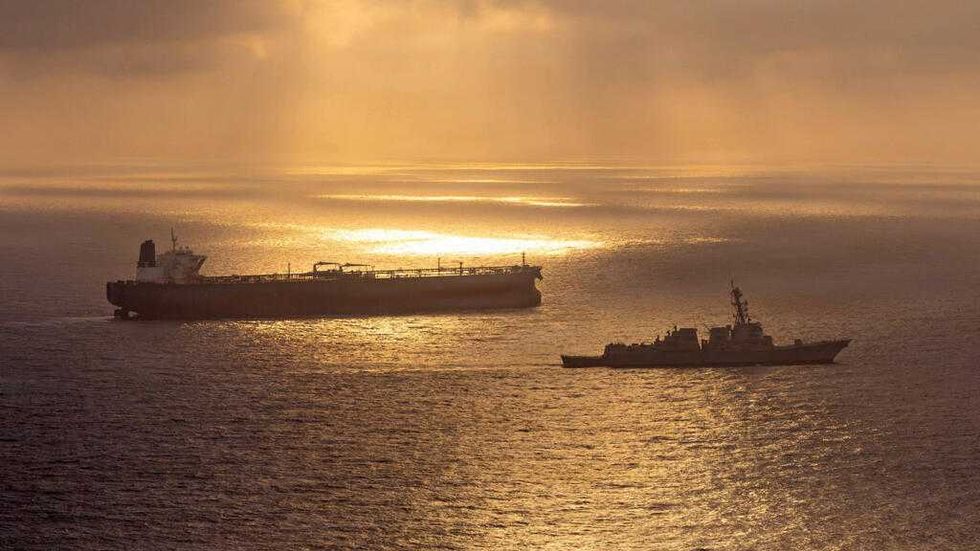
US Central Command said Iranian forces launched missiles, drones and small boats at three US warships, none of which were hit.
American forces destroyed the incoming threat and struck land bases inside Iran. Trump described the incident as a minor escalation, not a breakdown.
What happened in the Strait of Hormuz on Friday?
US Central Command said Iranian forces attacked three American warships overnight with missiles, drones and small boats, but caused no hits. American forces destroyed the incoming threat and retaliated against Iranian land bases.
Iran’s military command, Khatam al-Anbiya, offered a different account, saying the clash began when US vessels targeted an Iranian civilian tanker near the Strait.
Iran said the strikes hit the cities of Bandar Khamir and Sirik, as well as Qeshm island, all on the Iranian side of the Strait of Hormuz. Tehran also alleged the attack was carried out with cooperation from unnamed regional countries.
The UAE separately confirmed it intercepted a wave of drones and missiles from Iran hours after the naval exchange.
How did Trump respond to Thursday’s exchange of fire?
Asked whether the ceasefire was still in effect, Trump told reporters: “Yeah, it is. They trifled with us today. We blew them away.” He later posted on Truth Social threatening a significantly harder military response if Tehran did not sign a deal quickly.
The remarks came even as Trump had spent the week suggesting an agreement could be near.
Iran’s foreign ministry spokesman Esmaeil Baqaei said Thursday that Tehran would relay its position to mediator Pakistan after finalizing its views.
Pakistani Prime Minister Shehbaz Sharif had expressed optimism before the clashes, saying he firmly believed the ceasefire would become permanent. That confidence appeared harder to sustain by Friday.
What is the broader impact on Gulf shipping and global markets?
Around 1,500 ships and 20,000 international crew remain trapped in the Gulf region because of the conflict, according to the UN International Maritime Organization. Iran largely closed the Strait of Hormuz after the war began with US-Israeli attacks on Feb. 28, and the US later imposed its own blockade of Iranian ports.
Stock markets, which had risen earlier in the week on peace hopes, fell again Friday after the exchange of fire renewed fears the key trade route would stay shut.
How does the US-Iran conflict affect Lebanon and Hezbollah?
A deal between Washington and Tehran could also ease tensions in Lebanon, where a separate truce is under renewed pressure. An Israeli strike on southern Beirut killed a Hezbollah commander Wednesday, straining a fragile ceasefire there.
US State Department officials confirmed fresh Israel-Lebanon talks are scheduled for May 14 and 15, the third such meeting between two countries that have technically been at war for decades.
Secretary of State Marco Rubio said Tuesday that a peace deal between Israel and Lebanon was achievable, pointing to Hezbollah as the main obstacle rather than any dispute between the two governments.
Both Israel and Iran-backed Hezbollah have continued attacks despite the ceasefire. Lebanon was drawn into the wider conflict after Hezbollah fired rockets at Israel following the killing of Iranian supreme leader Ayatollah Ali Khamenei at the start of the broader war.
Leave a Reply