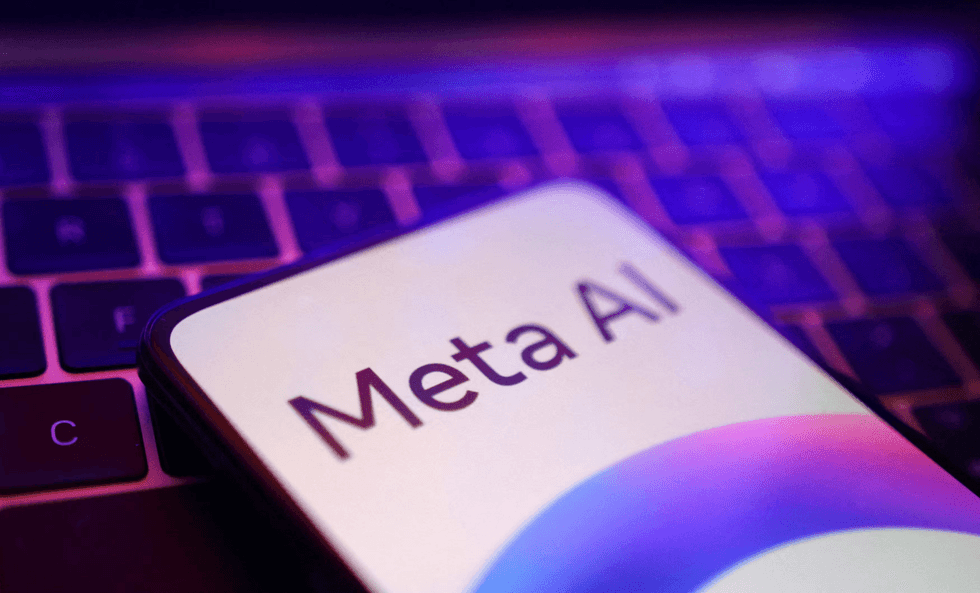
China’s regulators halted Meta’s $2 billion acquisition of AI startup Manus, citing national security concerns and ordering both parties to withdraw the deal.
China has blocked Meta’s planned $2 billion purchase of AI startup Manus, the National Development and Reform Commission announced Monday in Beijing.
The regulator cited national security grounds and ordered both companies to cancel the deal, marking a new flashpoint in U.S.‑China tech tensions.
Why did China block Meta’s acquisition of Manus?
Beijing said the ban was made according to “laws and regulations” after reviewing the transaction’s potential security implications. The decision effectively prohibits foreign investment in Manus and requires that Meta and Manus withdraw from the acquisition process.
The review reportedly led to travel restrictions on Manus co‑founders Xiao Hong and Ji Yichao, who were stopped from leaving China during March inquiries. Both executives are usually based in Singapore, where the startup relocated after its founding in China.
What is Meta’s interest in Manus?
Meta announced the planned acquisition in December, saying Manus would “bring a leading agent to billions of people” and expand AI tools across its platforms. Analysts at Bloomberg Intelligence estimated the deal’s value above $2 billion and viewed it as a move to strengthen Meta’s AI task automation capabilities.
The Financial Times and other outlets said the blocked deal was part of the broader rivalry between Washington and Beijing in emerging technologies. Experts suggested any cross‑border acquisition of advanced AI systems now faces heightened scrutiny from both governments.
What does Manus develop and who founded it?
Manus was created by startup Butterfly Effect. Its software can summarize résumés or build automated stock‑analysis websites. The platform has drawn attention for its “agentic AI” design, which performs complex digital tasks independently across multiple platforms.
The company was founded in China but later incorporated in Singapore, partly to attract global investors. Despite the shift, Chinese authorities still classify it as a technology with strategic importance, which likely contributed to the deal’s rejection.
How has Meta responded to the decision?
Meta and Manus have not yet publicly commented on the regulator’s ruling. In December, Meta said the acquisition would create new opportunities for businesses using its family of apps, including Facebook and Instagram.
Industry observers note that the block reflects Beijing’s growing oversight of outbound technology transactions as well as its intent to maintain domestic control over advanced AI innovation. The failed purchase underscores the shrinking space for cooperation between the world’s two largest technology powers.
Leave a Reply