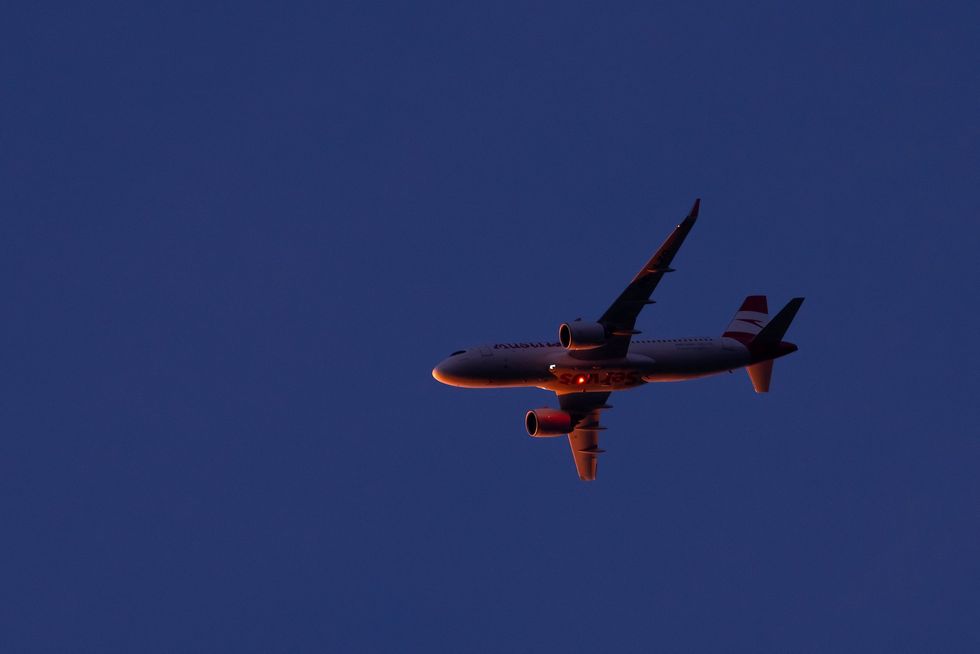
Airbus on Friday ordered urgent repairs to 6,000 of its A320-family jets after a flight-control software issue was linked to a recent in-flight incident, prompting one of the largest recalls in the company’s history and threatening major travel disruptions over a busy U.S. holiday weekend.
The sweeping action affects more than half of all A320-series aircraft flying worldwide. It comes just weeks after the model surpassed Boeing’s 737 as the world’s most-delivered jet. At the time the bulletin went out to more than 350 operators, about 3,000 A320-family jets were airborne.
The fix involves reverting to an earlier software version and is considered straightforward, but airlines must apply it before the aircraft can fly again except for repositioning to maintenance centers, according to a bulletin reviewed by Reuters.
Airlines across the United States, Europe, South America, India, and New Zealand warned of potential delays and cancellations as the repairs begin.
American Airlines, the largest operator of A320s, said that roughly 340 of its 480 A320-family jets require the fix, which it expects to complete mostly by Saturday. The work takes about two hours per jet.
Other carriers, including Lufthansa, IndiGo, and easyJet, said they would temporarily remove aircraft from service to perform the repairs. Avianca said more than 70 percent of its fleet was affected and suspended ticket sales for travel through December 8.
Airlines warn of disruption
More than 11,000 A320-family jets are in service worldwide, including 6,440 of the core A320 model launched in 1987. Four major U.S. airlines, American, Delta, JetBlue, and United, are among the top 10 A320 operators, along with carriers in Europe, China, and India.
Industry sources reported that around two-thirds of the affected jets will undergo brief groundings while the software rollback is applied.
But the work arrives as maintenance facilities are already strained. Hundreds of other Airbus jets are grounded awaiting unrelated engine repairs or inspections, and the industry continues to face labor shortages.
Mike Stengel of AeroDynamic Advisory said the timing was “far from ideal” with the holidays approaching, though many jets could be repaired between scheduled flights or overnight. EasyJet said it had already completed its fixes.
Even so, one senior airline official said coordinating the repairs while fleets confront high demand and maintenance delays would be a major challenge. Analyst Rob Morris questioned whether hangar capacity could meet immediate needs.
JetBlue incident prompts probe
Airbus said a recent incident revealed that solar flares can corrupt flight-control data. Industry sources said the episode involved an Oct. 30 JetBlue flight from Cancun to Newark that experienced a sharp, uncommanded loss of altitude, injuring passengers.
The aircraft diverted to Tampa for an emergency landing after a flight control malfunction, prompting a Federal Aviation Administration investigation. JetBlue and the FAA declined to comment on the recall.
The European Union Aviation Safety Agency issued an emergency directive late Friday, making the fix mandatory.
Airbus said the repairs will affect about 6,000 aircraft and confirmed that more than 1,000 jets may also require a hardware change, which could extend grounding times.
Global ripple effects
The recall led to delays around the world. A Finnair flight was held for nearly an hour as pilots confirmed their software version. Air New Zealand warned of cancellations. Air France canceled 35 flights, about 5 percent of its daily operations, while Mexico’s Volaris said disruptions could last up to 72 hours.
The A320, introduced in 1984, was the first major airliner to adopt fly-by-wire controls. It now competes directly with Boeing’s 737 MAX, which was grounded worldwide after two fatal crashes linked to flawed software.
Demand for single-aisle jets has soared as global travel expanded, especially in Asia, with low-cost carriers embracing the models for their efficiency.
The Airbus bulletin traced the issue to a flight-control system known as ELAC, which processes commands from the pilot’s side-stick to elevators that control the aircraft’s pitch. Thales, which manufactures the system, said it meets Airbus specifications and that the affected functionality stems from software not under Thales’ responsibility.
Leave a Reply