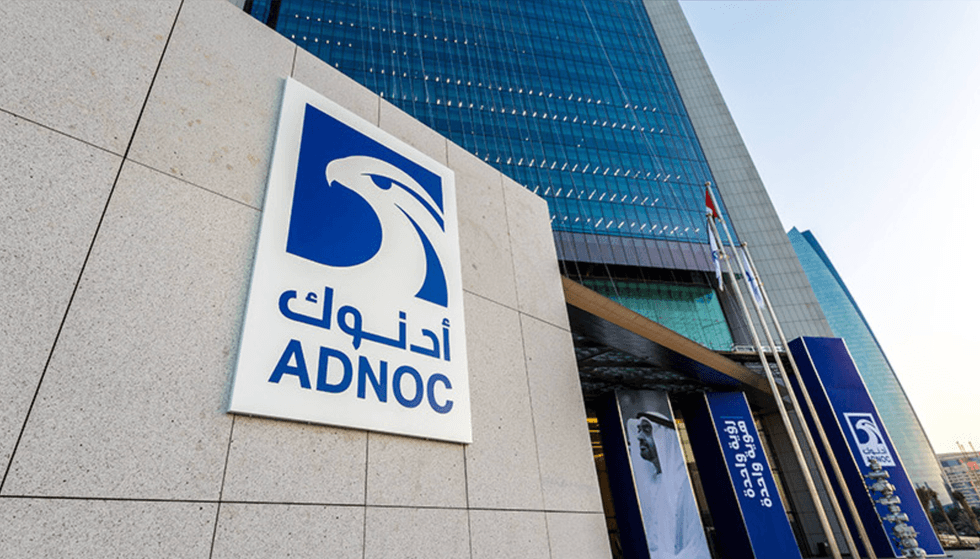
The Abu Dhabi National Oil Company pledged Sunday to spend $55 billion on new projects through 2028, days after the United Arab Emirates officially left the OPEC oil cartel on May 1.
The announcement signals a sharp acceleration of ADNOC’s expansion strategy following the UAE’s break from Saudi-led production quotas.
What is ADNOC’s $55 billion investment plan?
ADNOC confirmed it is awarding AED 200 billion ($55 billion) in new projects for 2026-2028, spanning upstream oil production and downstream operations.
The plan aims to boost UAE manufacturing capacity, strengthen industrial resilience and accelerate the company’s broader growth strategy. It forms part of a $150 billion capital expenditure program approved by the board for 2026-2030.
Why did the UAE leave OPEC before this announcement?
The UAE has long clashed with OPEC’s Saudi-led quota system, which capped Emirati production at 3.4 million barrels a day to support global prices. Abu Dhabi, which joined the cartel through ADNOC in 1967, four years before the UAE even became an independent country, had been pushing to lift that ceiling for years.
Leaving OPEC frees the UAE to produce as much crude as it chooses, potentially delivering a major revenue windfall.
How does the Strait of Hormuz conflict affect ADNOC’s plans?
Before Iran’s blockade of the Strait of Hormuz disrupted regional oil flows, the UAE was OPEC+’s fourth largest producer, accounting for nearly 13 percent of cartel output.
The US and Israel’s war with Iran has rattled Gulf energy markets, with Tehran’s attacks damaging infrastructure across the region. ADNOC’s spending push appears partly designed to strengthen industrial resilience against that backdrop.
What production targets is ADNOC pursuing by 2027?
Abu Dhabi aims to expand production capacity to 5 million barrels a day by 2027, up from the 3.4 million-barrel quota it operated under inside OPEC.
ADNOC said the new project awards span both upstream and downstream operations and will “supercharge” UAE manufacturing capacity. The investments also target chemicals, natural gas and renewable energy to diversify the company’s portfolio beyond crude.
What did OPEC+ decide at its latest meeting?
As ADNOC announced its spending plans Sunday, the seven remaining OPEC+ members held their first meeting since the UAE’s departure and agreed to raise oil production quotas.
The decision reflects the group’s shifting calculations without one of its largest producers. The UAE’s exit and ADNOC’s accelerated investment plan are now reshaping the regional energy balance.
Leave a Reply