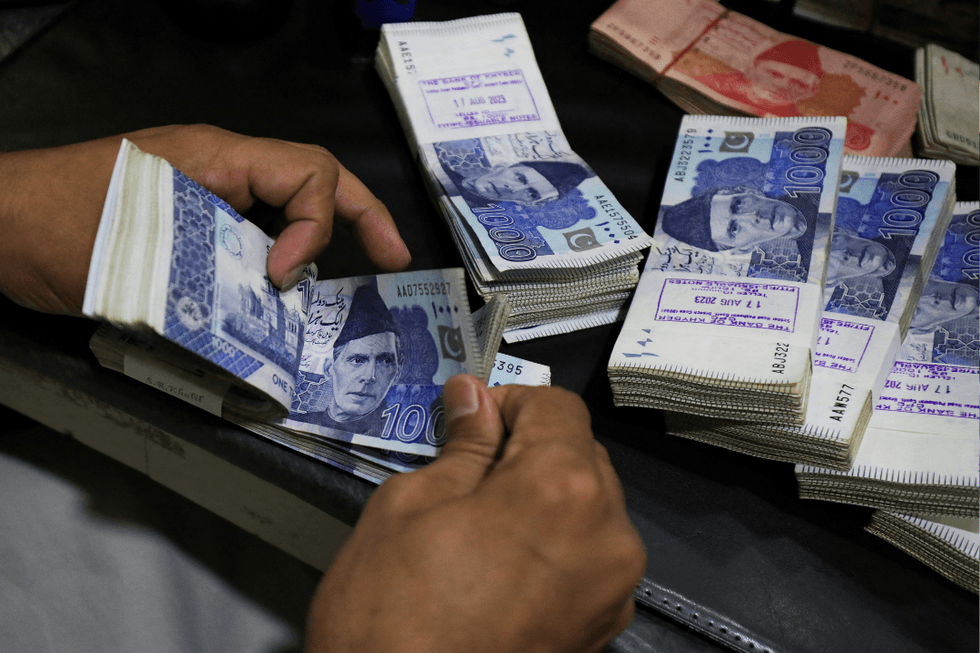
Pakistan’s central government debt increased to PKR 77.5 trillion in November, posting a 10% rise from a year earlier and a 0.7% increase compared with October, according to official data.
Domestic debt stood at PKR 54.6 trillion in November, up 12.4% year-on-year and 1.2% month-on-month, reflecting continued reliance on local borrowing to meet fiscal requirements.
External debt of the central government totaled PKR 22.9 trillion during the month, showing a 5% increase from November 2024 but declining 0.3% from the previous month.
In dollar terms, central government external debt edged down to $81.7 billion in November from $81.9 billion in October.
The figure has declined from $82.5 billion recorded in June, indicating some moderation in external liabilities amid repayments and currency movements.
Overall, the debt mix continues to be dominated by domestic borrowing, which accounts for more than 70% of total central government debt.
The sequential decline in external debt on both PKR and dollar bases is a positive signal, suggesting limited new external borrowing and some repayment pressure easing. However, the sharp year-on-year rise in domestic debt highlights growing dependence on local financing, which could keep interest costs elevated and crowd out private sector credit.
Going forward, sustaining debt stability will depend on fiscal consolidation, improvement in revenue collection, and careful management of domestic borrowing, particularly in a high interest-rate environment.
Leave a Reply