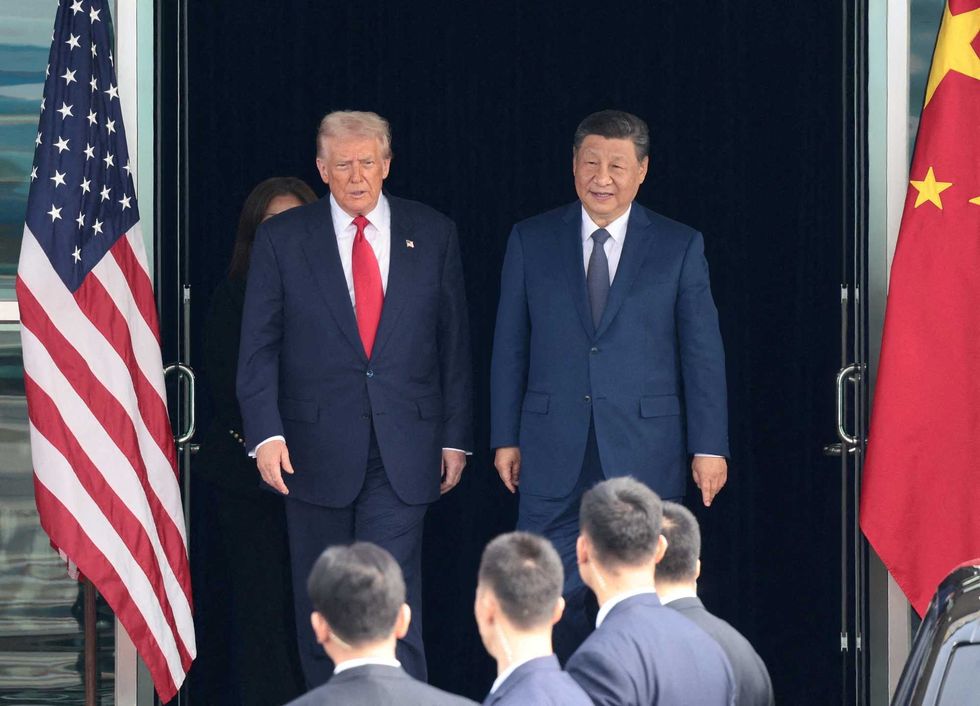
China posted a record $1.189 trillion trade surplus in 2025, powered by strong exports that defied renewed U.S. tariffs and underscored the country’s growing reliance on overseas markets to support its slowing economy.
Customs data released Wednesday showed exports rose sharply in December, capping a year in which China broke the $1 trillion surplus mark for the first time, despite efforts by U.S. President Donald Trump to curb Chinese shipments by shifting American orders elsewhere.
China’s resilience since Trump returned to the White House last January has encouraged exporters to deepen ties with Southeast Asia, Africa and Latin America, helping offset weaker demand from the United States.
The widening surplus is likely to fuel fresh unease among major economies concerned about China’s trade practices, industrial overcapacity and dependence on key Chinese goods.
December data beats forecasts
Exports rose 6.6% in December from a year earlier, up from a 5.9% increase in November and well above economist forecasts of a 3.0% gain.
Imports climbed 5.7%, accelerating from a 1.9% rise the previous month and also beating expectations for a modest increase.
“The external environment for China’s foreign trade remains severe and complex,” Wang Jun, a vice minister at China’s customs administration, said at a briefing.
But Wang said China’s increasingly diversified trading partners had significantly strengthened its ability to withstand external risks, adding that the fundamentals of foreign trade remain solid.
Global market share expands
China recorded monthly trade surpluses exceeding $100 billion seven times last year, aided in part by a weaker yuan and robust overseas demand, even as shipments to the U.S. softened.
Economists expect China to continue gaining global market share as firms expand overseas manufacturing to reduce tariff exposure and meet strong demand for electronics and other manufactured goods.
China’s auto industry was a major contributor, with total vehicle exports jumping 19.4% last year to 5.79 million units. Exports of electric vehicles surged nearly 49%, keeping China on track to remain the world’s top auto exporter for a third straight year.
Signs of policy recalibration
Beijing has increasingly acknowledged that its export-heavy growth model is creating economic imbalances and diplomatic friction.
Premier Li Qiang last week called for expanding imports and promoting more balanced trade growth, following November’s milestone surplus figures.
China has also scrapped export tax rebates for parts of its solar industry and fast-tracked revisions to its Foreign Trade Law, moves seen as signals to trading partners that Beijing is willing to ease its reliance on industrial subsidies.
Despite a temporary tariff truce reached by Trump and Chinese President Xi Jinping late last year, U.S. duties on Chinese goods remain far above levels analysts say allow firms to export profitably to the American market.
Leave a Reply