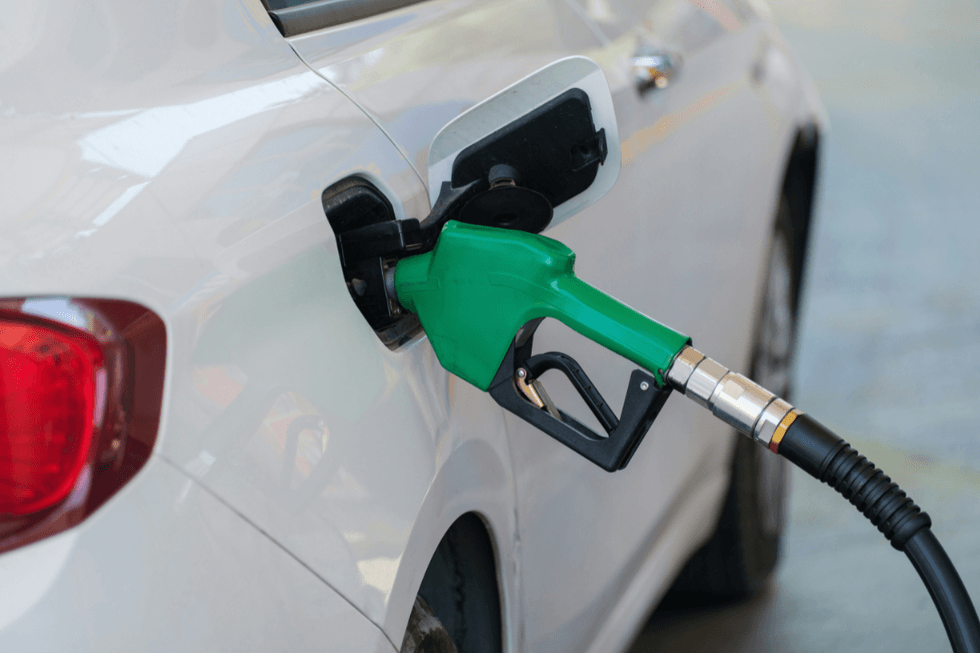
Pakistan’s government has declined to pass on the benefit of falling international oil prices to consumers and industry, instead increasing fuel taxes to boost revenues while keeping retail prices unchanged for the next two weeks.
The government on Thursday raised the Petroleum Development Levy on petrol by PKR 4.62 per liter and on high-speed diesel by PKR 0.80 per liter, officials said. The move effectively absorbed the potential price reduction that could have been reflected at fuel pumps.
The levy on the High Octane Blending Component was also increased by PKR 4.62 per liter, taking the total levy on petrol and HOBC to PKR 84.27 per liter, up from PKR 79.62. The levy on high-speed diesel rose to PKR 76.21 per liter from PKR 75.41.
In addition to the petroleum levy, the government continues to collect a Climate Support Levy of PKR 2.50 per liter on petrol, high-speed diesel and HOBC. Consumers of kerosene and light diesel oil are also subject to petroleum levies of PKR 20.36 and PKR 15.84 per liter, respectively.
Fuel prices are further affected by the Inland Freight Equalization Margin, which stands at PKR 8.97 per liter for petrol and PKR 7.25 per liter for high-speed diesel, aimed at ensuring uniform prices across the country.
Industry analysts said the decision helps the government shore up its revenue at a time of fiscal stress but leaves consumers, transporters and businesses facing persistently high fuel costs despite a decline in global oil prices.
Pakistan has relied heavily on petroleum levies as a key source of non-tax revenue, particularly under commitments tied to international lenders, including the International Monetary Fund.
Leave a Reply