Pakistan is preparing a package of tax and energy-price relief for the industrial sector in the upcoming federal budget, following directives from Prime Minister Shehbaz Sharif, government sources said.
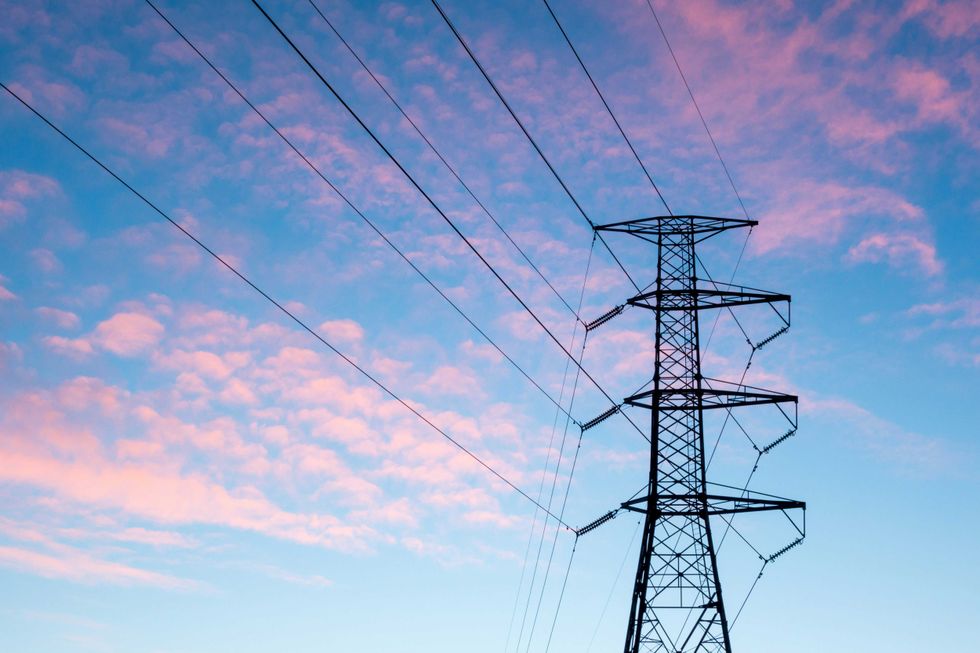
Officials are working on a plan to cut industrial electricity costs by PKR 102 billion, primarily by eliminating cross-subsidies built into power tariffs, the sources said. The proposal would remove the burden of cross-subsidization from industrial electricity tariffs and end peak-hour rates for factories in the next budget.
The government is also considering reducing the corporate income tax rate to as low as 26% from the current 29%, according to officials in the Ministry of Industries and Production. In addition, a proposal is under review to cut the so-called super tax by 1 percentage point annually, with broader reforms and a phased withdrawal planned as fiscal space improves.
To revive shuttered industrial units, the next budget is expected to include bank-financing schemes, the sources said. Reforms are also planned to simplify tax filing, improve the digital interface and streamline the audit system.
For exporters, the government is weighing a scheme to refund local taxes and levies, ensure payment of all pending refunds within a reasonable timeframe, and reduce the overall tax burden. Officials are also considering ending annual tax audits for exporters and shifting to audits once every three years.
On the energy side, proposals include removing cross-subsidy burdens from industrial gas prices under the petroleum division, alongside broader changes to industrial power tariffs.
The government is also considering establishing a National Industrial Revival body to address sectoral issues, as well as launching a digital, one-window facilitation portal to resolve business problems online, the sources said.
Separately, Prime Minister Sharif is scheduled to meet and address leading exporters and business leaders on Friday. He is expected to discuss the state of the economy, outline government measures to support industry and investment, and present awards to exporters who have made significant contributions to the national economy.
In his address, Sharif is expected to share his vision for boosting industry, trade and exports, explain how the government steered the country away from default toward stability, and lay out a roadmap for moving from stabilization to growth. He is also expected to speak about reforms, fiscal discipline, business facilitation and restoring confidence among industrialists.
Leave a Reply