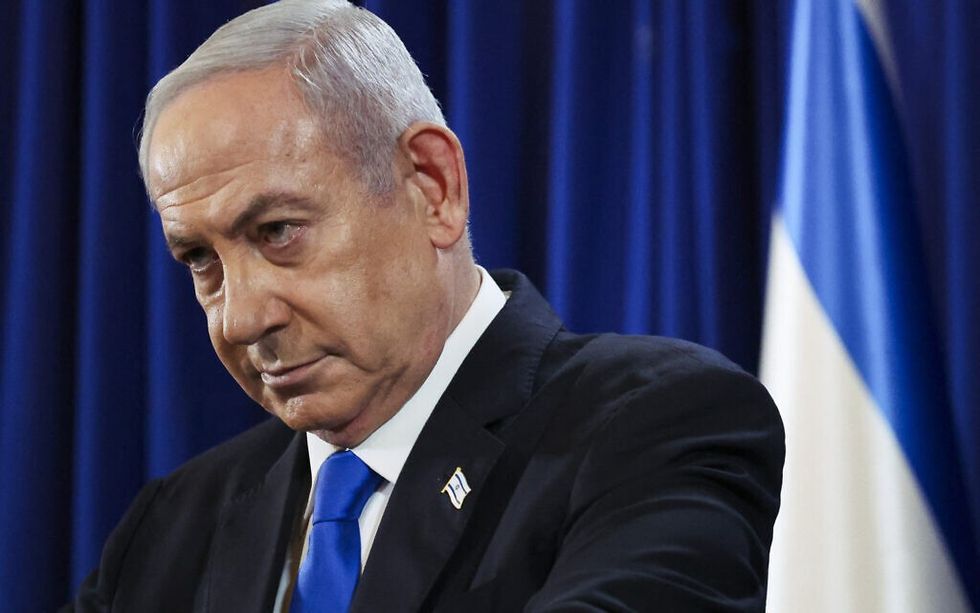
Israeli Prime Minister Benjamin Netanyahu, on trial for corruption, said on Sunday he has submitted a request for a presidential pardon, arguing that the years-long proceedings are deepening national divisions.
The move comes after U.S. President Donald Trump wrote to Israeli President Isaac Herzog earlier this month, urging him to grant Netanyahu clemency. Netanyahu has repeatedly denied wrongdoing.
In a video statement, Netanyahu said his trial has lasted nearly six years and could stretch on for many more. He said he wanted to fight for an acquittal but claimed the “national interest” required ending the process.
“The continuation of the trial is tearing us apart from within, arousing fierce divisions, intensifying rifts,” he said.
Allegations and political fallout
The cases against Netanyahu have highlighted long-standing divides between his supporters and opponents. His backers say the charges are politically motivated.
Prosecutors accuse Netanyahu and his wife, Sara, of accepting more than $260,000 in cigars, jewelry, and champagne from wealthy businessmen in exchange for political favors. He is also charged with seeking favorable media coverage from two outlets in separate cases.
Netanyahu said demands that he testify three times a week had “tipped the scales,” calling the schedule an “impossible requirement.” He argued that ending the trial would help calm tensions and promote reconciliation.
His statement was accompanied by a 111-page legal submission to Herzog, which, like Netanyahu’s remarks, did not include an admission of guilt.
Herzog’s office confirmed receipt of the request, calling it “extraordinary” and saying it would be weighed carefully.
Legal hurdles and political stakes
In September, Herzog suggested in an interview that he could consider a pardon, saying Netanyahu’s case “weighs heavily on Israeli society.”
Netanyahu, 76, is Israel’s longest-serving prime minister, holding more than 18 years in office over three separate terms since 1996. During his current tenure, he has pushed for sweeping judicial changes that critics say were meant to weaken the courts. Large protests against those reforms ended only after the Gaza war began in October 2023.
Netanyahu has said he intends to run in the next election, expected by the end of 2026.
Legal scholar Eli Salzberger called the timing of the pardon request — weeks after Trump’s letter — “an orchestrated move.” He said Herzog’s decision may take weeks and could still be challenged in the Supreme Court.
Under Israeli law, pardons can be granted only to convicted individuals, a hurdle Netanyahu has not met. Salzberger predicted that if the request is denied, Netanyahu may ultimately consider a plea agreement.
Opposition leader Yair Lapid said any pardon must require Netanyahu to admit guilt, express remorse, and exit political life. Democratic Party leader Yair Golan added that “only the guilty seek pardon.”
Senior ministers defended Netanyahu. Defense Minister Israel Katz said a pardon would ease a “deep rift” in Israeli society, while Finance Minister Bezalel Smotrich accused the judiciary of fabricating cases against the prime minister.
Protests
Netanyahu is the first sitting Israeli leader to face a corruption trial. Former Prime Minister Ehud Olmert resigned before being tried and later served 27 months for fraud.
Dozens of protesters gathered outside Herzog’s private home in Tel Aviv, urging him to reject the request. Activist Shikma Bressler said Netanyahu had sought to “destroy the judicial system” and, when unable to do so quickly, had turned to the president.
Another demonstrator, Moshe Radman, accused Netanyahu of trying to “run from his trial.” Ami Dror said Herzog must “protect Israeli democracy,” warning that undermining the rule of law could mark “the end of Israeli democracy.”
Leave a Reply