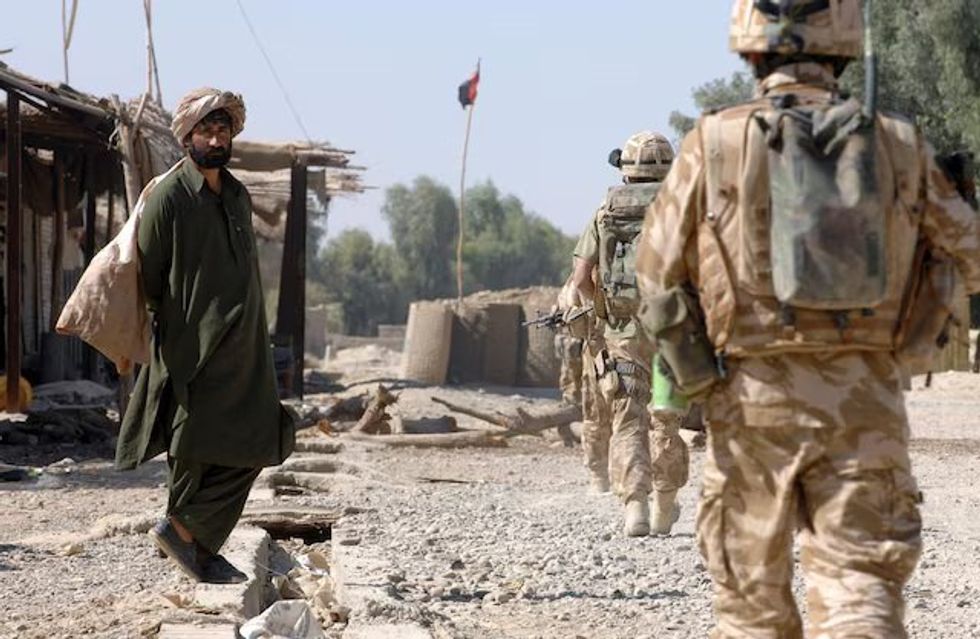
A former senior British officer told a public inquiry that special forces in Afghanistan appeared to have executed detainees during operations more than a decade ago, actions he said amounted to war crimes, and that concerns within the chain of command were ignored.
The inquiry was ordered by the Ministry of Defence after a BBC documentary alleged that members of the Special Air Service killed 54 people in suspicious circumstances during the conflict.
The investigation is reviewing a series of night raids carried out between mid-2010 and mid-2013, when British forces operated as part of the U.S.-led coalition fighting the Taliban and other militants.
Concerns within the ranks
British military police have previously examined allegations of misconduct, including those involving the SAS, but concluded there was insufficient evidence to bring charges.
The current inquiry is tasked with determining whether credible information existed about unlawful killings, whether earlier inquiries were adequate, and whether crimes were concealed.
Inquiry chair Charles Haddon-Cave said it was essential to refer any wrongdoing to the proper authorities while clearing those who had done nothing wrong.
Earlier testimony included concerns from soldiers about a sub-unit known as UKSF1, with one witness claiming it was killing fighting-age men regardless of the threat they posed.
In newly released evidence provided in private, an officer identified as N1466, then Assistant Chief of Staff for Operations in UK Special Forces Headquarters, said he became suspicious in 2011 about the number of detainees being killed by UKSF1.
He said official reports showed more enemy fighters listed as killed in action than weapons recovered. Accounts of detainees repeatedly trying to pick up weapons or deploy grenades after being detained did not seem credible, he said.
‘We are talking about war crimes’
“I will be clear we are talking about war crimes … taking detainees back on target and executing them with a pretence,” N1466 told the inquiry’s lead lawyer, Oliver Glasgow.
He said he raised his concerns with the Director of Special Forces, known as 1802, but instead of initiating a criminal probe, the commander ordered a review of tactics.
N1466 said he regretted not contacting military police at the time, though he later reported his concerns in 2015. He said he feared that unlawful killings, including of children, were more widespread than initially believed and were known to many in the special forces community.
Other evidence from former officers and a defence official described frustration among troops who said detainees captured during intelligence-driven operations were often released quickly because Afghanistan’s judicial system could not handle the caseload.
The inquiry also heard of deep rivalry between special forces units UKSF1 and UKSF3, the latter being the unit to which N1466 belonged.
He rejected suggestions that he was motivated by personal grievances.
“We didn’t join the UKSF for this sort of behaviour,” he said. “Toddlers shot in their beds or random killing … it’s not what we stand for.”
The inquiry continues.
Leave a Reply