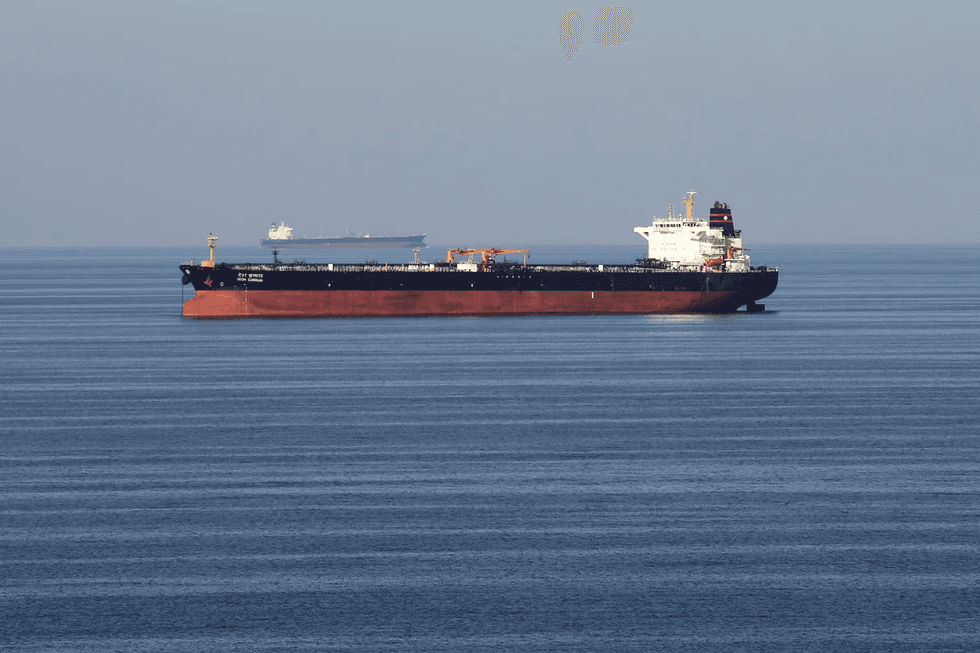
The US and Iran have a “50-50” chance of reaching an agreement that would reopen the Strait of Hormuz, a senior UAE official said Friday.
Presidential adviser Anwar Gargash made the assessment at the GLOBSEC Forum in Prague, urging Tehran not to overestimate its leverage during the ongoing negotiations.
What are the chances of a US-Iran deal on the Strait of Hormuz?
The odds of a US-Iran Strait of Hormuz agreement stand at roughly even, according to Gargash.
He warned that Iranian officials have historically miscalculated their negotiating position, missing opportunities as a result. “I hope they don’t do that this time,” he said.
Why is the Strait of Hormuz at the center of US-Iran talks?
The Hormuz strait normally carries about a fifth of global oil production, making its blockade one of the most consequential pressure points of the conflict.
Gargash said the waterway must return to normal and called for a durable resolution rather than a temporary ceasefire. “Negotiations just to reach a ceasefire and sow the seeds for further conflict in the future is not what we’re seeking,” he said.
He described Hormuz as an international waterway that must return to its pre-war status, framing its reopening as a non-negotiable outcome for the region.
How did the UAE fare during the conflict with Iran?
The UAE, which hosts US military facilities and sits at the heart of regional energy infrastructure, absorbed significant fire during the war.
Gargash said the country was targeted by roughly 3,300 drones and missiles over 40 days of fighting from Feb. 28 onward, with only about 4% of projectiles breaking through its defenses.
He cautioned against any ceasefire arrangement that leaves underlying disputes unresolved, warning it would only delay further instability.
Has Iran’s nuclear program become the UAE’s top security concern?
With US negotiators focused on preventing Iran from developing an atomic weapon, Gargash said the nuclear question has moved to the top of Abu Dhabi’s threat hierarchy. “The Iranian nuclear program was our second or third worry, now it’s our first worry,” he said.
He added that the conflict had demonstrated Iran’s willingness to deploy any weapon at its disposal, a lesson the UAE said it would not forget.
Leave a Reply