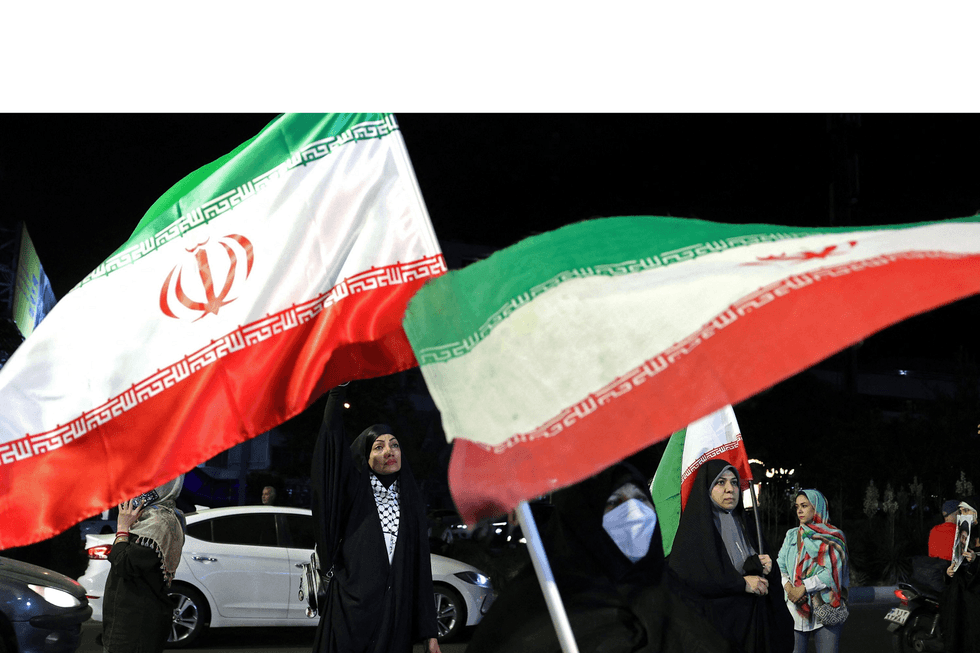
Tehran accused the United States of “excessive demands,” Iranian media reported on Saturday, as US media raised the prospect that Washington was considering new strikes and leaders of the Islamic republic weighed the latest peace proposal.
Pakistan’s army chief arrived in Tehran to bolster mediation, while President Donald Trump abruptly cancelled plans to attend his son’s wedding to remain in Washington, fueling speculation the situation had entered a sensitive stage.
What did Iran accuse the US of in the latest peace talks?
Iran’s Foreign Minister Abbas Araghchi told UN Secretary-General Antonio Guterres that Tehran remained engaged in diplomacy despite what he described as “repeated betrayals of diplomacy and military aggression against Iran, along with contradictory positions and repeated excessive demands” by the United States. Iran has not withdrawn from talks but says Washington’s position remains inconsistent.
Where do US-Iran peace talks currently stand?
Trump described this week’s stop-start negotiations as teetering on the “borderline” between renewed attacks and a deal. The war began with US-Israeli strikes on Iran on February 28 and triggered competing blockades around the Strait of Hormuz, disrupting global oil supply and rattling the world economy. Weeks of negotiations since an April 8 ceasefire, including historic face-to-face talks hosted by Islamabad, have not produced a permanent resolution or restored full access to the strait.
US media outlets Axios and CBS News, citing unnamed sources, reported the White House was considering strikes on Iran. Both outlets added that no final decision had been made.
Secretary of State Marco Rubio, speaking on the sidelines of a NATO conference in Sweden, said there had been “some progress” toward a peaceful resolution but “things were not there yet.”
“We’re dealing with a very difficult group of people. And if it doesn’t change, then the president’s been clear he has other options,” Rubio said.
Why did Pakistan’s army chief fly to Tehran?
Pakistan’s army chief Asim Munir landed in Tehran on Friday, where he met with Araghchi late into the night to discuss “the latest diplomatic efforts and initiatives aimed at preventing further escalation,” according to the official IRNA news agency. Iranian foreign ministry spokesman Esmaeil Baqaei cautioned that the visit did not signal “a turning point or a decisive situation,” with “deep and extensive” disagreements still remaining.
Baqaei confirmed that a Qatari delegation had also held talks with the Iranian foreign minister on Friday. He said many countries, both regional and non-regional, were trying to help end the war, but added: “Pakistan remains the official mediator.”
Pakistan’s Prime Minister Shehbaz Sharif and Foreign Minister Ishaq Dar, who have played a central role in mediation, flew to China, Iran’s top trading partner, for a four-day visit where the Middle East crisis was expected to feature prominently.
What is happening at the Strait of Hormuz?
Baqaei said the status of the Strait of Hormuz and a retaliatory US blockade of Iranian ports were also under discussion. The strait’s future remains a key sticking point, with fears growing that the global economy will suffer as pre-war oil stockpiles run down.
Markets took some comfort from signs of diplomacy, with Wall Street rising on Friday and the Dow closing at a second straight record high as investors bet talks could produce an off-ramp.
Oil prices also rose, underscoring fears that continued disruption in Hormuz will keep feeding inflation. US consumer sentiment fell to its lowest level since records began in 1952, with high prices eroding household finances. European Union nations on Friday deemed Iran’s blockade “contrary to international law” and expanded the scope of existing Iran sanctions to target individuals involved in the closure.
What is happening on the Lebanon front?
Araghchi’s ministry also stressed that fighting would need to stop in Lebanon, where Israel and Tehran-backed Hezbollah have been clashing despite a ceasefire. Lebanon’s state-run National News Agency reported that Israel carried out five airstrikes in the east of the country near the Syrian border, targeting the Nabi Sreij area.
Since an April 17 truce, Israel has continued strikes, demolitions and evacuation orders in south Lebanon, saying it is targeting Hezbollah, which has also kept up attacks.
Hezbollah drew Lebanon into the war on March 2 with rocket fire at Israel, after Iran’s supreme leader was killed by US-Israeli strikes.
Lebanon’s health ministry said Israeli attacks have killed at least 3,111 people in Lebanon since March 2. Strikes on the south on Friday killed 10 people, including a child. “The issue of ending the war on all fronts, including Lebanon, is very important,” Baqaei said.
Leave a Reply