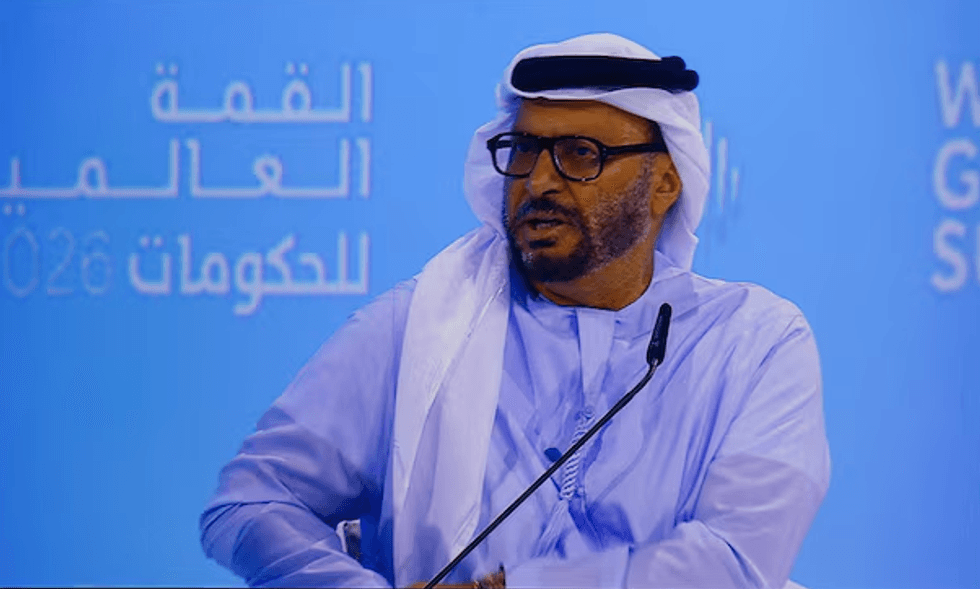
A senior UAE official on Monday criticized Gulf allies for what he called a historically weak response to Iranian retaliatory attacks on the region.
Presidential advisor Anwar Gargash made the remarks at a conference in Dubai, following missile and drone strikes by Tehran on GCC states after the U.S. and Israel launched attacks on Iran on February 28.
What did the UAE say about the GCC’s response to Iran?
Gargash said the Gulf Cooperation Council’s response was the weakest it had ever shown, given the scale and threat of the Iranian attacks. He drew a distinction between logistical solidarity, which he acknowledged, and the political and military response, which he said fell short. “The GCC’s stance was the weakest historically, considering the nature of the attack and the threat it posed to everyone,” he said.
Why did Gargash single out the GCC over the Arab League?
Gargash said he had expected a weak response from the Arab League, the 22-member organization of Middle East and North African nations based in Cairo. He said the same failure from the six-member GCC was a different matter. “I don’t expect it from the GCC, and I am surprised by it,” he told the Dubai conference.
Tehran fired hundreds of missiles and drones at all six GCC member states: Bahrain, Kuwait, Oman, Qatar, Saudi Arabia and the UAE. The UAE has been the most heavily targeted and has adopted a more forceful tone toward Iran than its neighbors. Other Gulf monarchies have appeared more measured in their public response.
How have Gulf states approached Iran in recent years?
Gargash said Gulf monarchies had always had “difficult relations” with Iran and had in recent years pursued a “containment policy.” That approach relied on mediation, energy partnerships, strategic agreements, and in the UAE’s case, trade ties with Tehran. “These policies have failed miserably, and we are now facing a major reassessment,” he said.
Leave a Reply