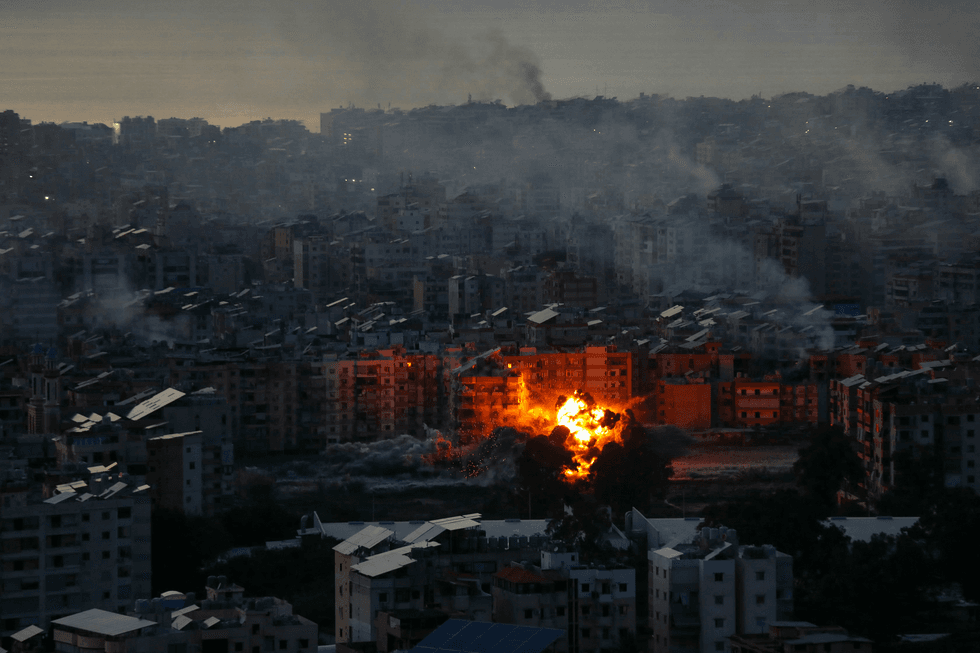
The US Embassy in Lebanon has urged a direct meeting between Lebanese President Joseph Aoun and Israeli Prime Minister Benjamin Netanyahu, as Israeli strikes killed at least 17 people in southern Lebanon despite an ongoing ceasefire.
Why is the US pushing for a Lebanon-Israel meeting?
Washington says a direct meeting between Aoun and Netanyahu, facilitated by Trump, would give Lebanon the chance to secure guarantees on full sovereignty, territorial integrity, secure borders, and the complete restoration of Lebanese state authority.
The embassy said Lebanon stands at a “crossroads” and that “the time for hesitation is over.” Trump has said he hopes to host both leaders within the coming weeks as the two countries prepare for direct negotiations.
What is the current ceasefire situation in Lebanon?
The ceasefire between Israel and Lebanon began on 17 April following a 10-day truce announced by Trump after the first round of US-mediated talks in Washington.
A three-week extension followed a second round of discussions. It is the first time Israeli and Lebanese representatives have met in decades, after Iran-backed Hezbollah drew Lebanon into the Middle East war on 2 March, triggering heavy Israeli strikes and a ground invasion.
Despite the truce, Israel has continued strikes in southern Lebanon. Lebanon’s health ministry reported 17 people killed on Thursday, including five women and two children.
One Lebanese army soldier and one Israeli soldier were also killed. Aoun condemned what he called “continuing Israeli violations,” including demolitions of homes and places of worship.
What does Lebanon want before direct negotiations begin?
Aoun has said Israel must fully implement the ceasefire before talks can advance. “Israeli attacks cannot continue as they are,” he said on Wednesday, adding that Lebanon is waiting for the US to set a date for direct negotiations.
Israel’s army is currently operating inside a buffer zone running roughly 10 kilometres deep inside Lebanese territory along the border.
What is Hezbollah’s position on direct talks with Israel?
The planned negotiations have exposed a sharp divide within Lebanon. Hezbollah has rejected direct talks with Israel outright, as well as Beirut’s previous commitment to disarm the group.
Parliament speaker Nabih Berri, a Hezbollah ally, also pushed back on Aoun’s characterisation of the ceasefire text, calling his remarks “inaccurate, to say the least.”
Hezbollah claimed 10 attacks on Israeli army targets in southern Lebanon on Thursday, including strikes on tanks and soldiers. In Beirut, dozens of southern residents and local officials gathered to protest the ongoing destruction of their villages.
“We will not surrender and will not normalise” relations with Israel, said protester Hanaa Ibrahim, 48.
The ceasefire text, published by the US State Department, grants Israel the right to act against “planned, imminent or ongoing attacks.” Hezbollah rejects that language, saying it was never presented to Lebanon’s cabinet, where the group holds representation.
Leave a Reply