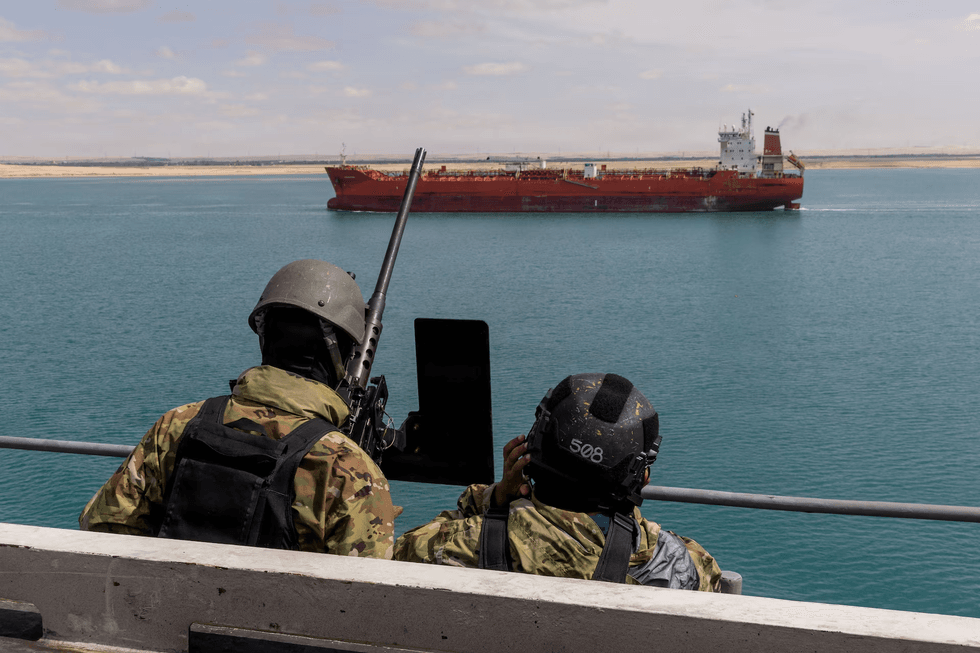
World leaders piled pressure on Tehran on Tuesday to return to diplomacy after a wave of attacks across the region left a fragile ceasefire crumbling.
Iran and the United States traded fire over the Strait of Hormuz, while the UAE reported Iranian strikes on its territory for the first time since the truce was declared nearly a month ago.
Diplomacy between Washington and Tehran has been deadlocked, with the US twice cancelling plans for senior officials to attend talks in Pakistan.
Has Iran agreed to a ceasefire and is it still holding?
A ceasefire has been in place since April 17, but it is under severe strain. Iran has vowed to maintain control over the Strait of Hormuz, the narrow waterway through which one-fifth of the world’s oil flowed before the US and Israel attacked Iran on February 28. Neither side has formally declared the truce void, but fresh strikes on both sides have pushed it to the brink.
German Chancellor Friedrich Merz called on Tehran to return to the negotiating table and stop “holding the region and the world hostage.”
French President Emmanuel Macron and British Prime Minister Keir Starmer issued similar appeals. Saudi Arabia, a key US ally whose energy infrastructure has been struck by Iran, also called for de-escalation and for diplomatic efforts to reach a political solution.
What happened in the UAE and what did Iran say?
The UAE said it was targeted by a barrage of Iranian missiles and drones, describing the attacks as a “dangerous escalation and an unacceptable transgression.” A strike on an energy installation in Fujairah injured three Indian nationals. Four cruise missiles were launched, with three shot down and one falling into the sea.
Iran also fired drones at a tanker affiliated with UAE state oil giant ADNOC. A senior Iranian military official did not deny the strikes but said Iran had “no pre-planned program to attack the oil facilities in question.”
He blamed what he called US military adventurism to force ships through the Strait of Hormuz, saying Washington must be held accountable.
Iranian Foreign Minister Abbas Araghchi, seen as a moderate within the clerical establishment, said the clashes showed there was “no military solution to a political crisis” and pointed to Pakistan’s continued mediation efforts. “The US should be wary of being dragged back into quagmire by ill-wishers. So should the UAE. Project Freedom is Project Deadlock,” he wrote on X.
Why is the US pushing to reopen the Strait of Hormuz?
Trump has repeatedly demanded that Iran reopen the strait, which was open before the war and which Tehran regards as its main point of leverage. On Sunday, Trump announced “Project Freedom,” an operation to guide ships from neutral countries out of the Gulf, framing it as a humanitarian effort to help stranded crews.
US Central Command said guided-missile destroyers had transited Hormuz and that two US-flagged merchant vessels had successfully travelled out of the Gulf as a first step. Iran’s Revolutionary Guards denied the claim, saying no commercial vessels or oil tankers had passed through the strait in the preceding hours. Seoul reported separately that an “explosion and fire” struck a South Korean ship in the strait on Monday.
The US said its forces sank at least six small Iranian ships during the exchanges. Iran denied that any combat vessels were hit and accused Washington of killing five civilians on boats. Trump played down the Iranian strikes on social media, writing that Iran had “taken some shots” but caused little damage.
How are oil prices and Lebanon’s ceasefire being affected?
Oil prices climbed sharply after the UAE attacks, with Brent crude for July delivery jumping more than five percent.
Soaring energy costs have caused economic pain globally and created a political problem for Trump ahead of congressional elections. More than 900 commercial vessels were located in the Gulf as of April 29, according to maritime intelligence firm AXSMarine.
A separate ceasefire in Lebanon also came under strain on Monday. Hezbollah and Israeli troops clashed in southern Lebanon, with Israel reporting moderate injuries to two soldiers.
Israeli strikes since fighting began in early March have killed more than 2,700 people, according to Lebanon’s health ministry, and Lebanese President Joseph Aoun has called for a security deal before any meeting with Israeli Prime Minister Benjamin Netanyahu, an encounter Trump has proposed for this month at the White House.
Leave a Reply